ABOUT WEPOWER
Powering Inclusion Across South Asia
WePOWER is a women’s regional network connecting institutions, utilities, universities, and professional partners to advance women’s participation and leadership in the energy sector, while promoting inclusive, responsible, and environmentally and socially sound implementation across its activities.
2019
Network launched
61
Regional partners
5 Pillars
Action framework
REGIONAL VISION
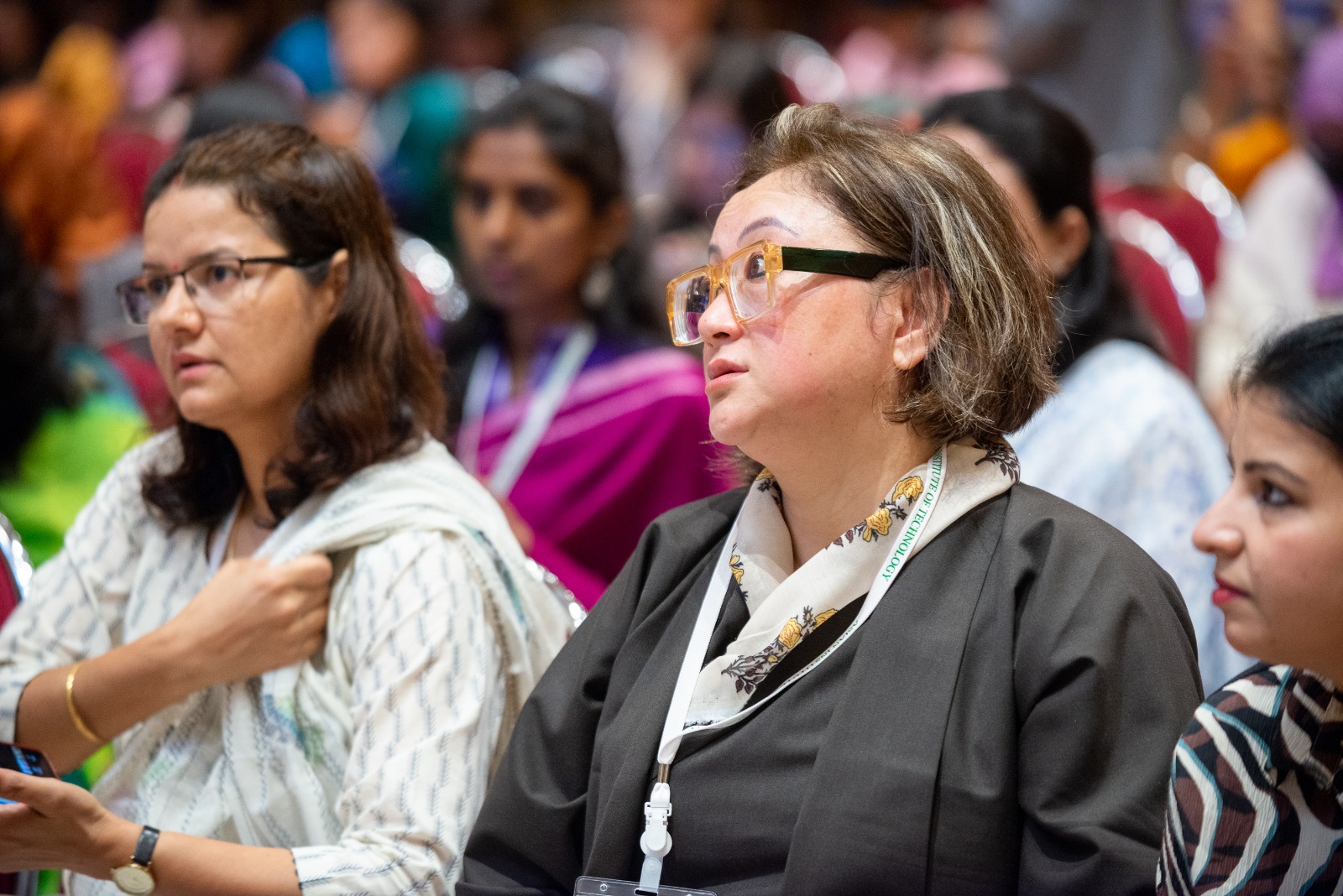
Advancing women’s participation in technical and leadership roles.
ENV & SOCIAL COMMITMENT PLAN
The ES Plan helps ensure WePOWER activities are inclusive, safe, and responsible.
Yunus Center AIT
Social business, innovation, and inclusive development.
About Yunus Center
A Center for Social Business, Research, and Inclusive Impact
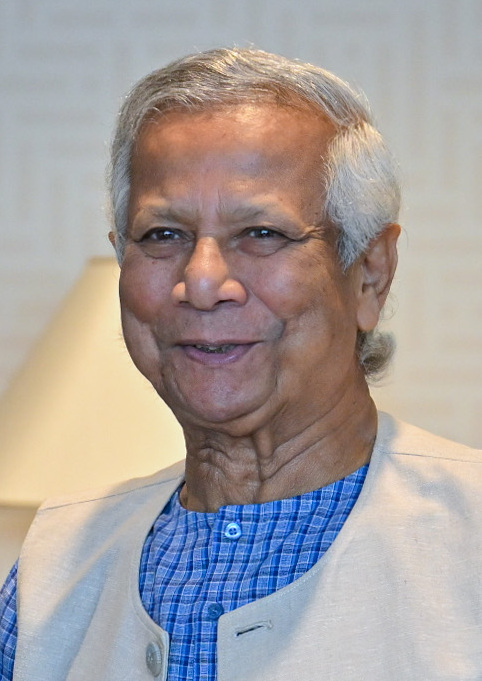
Yunus Center AIT (YCA) is a collaboration between Nobel Laureate Professor Muhammad Yunus and the Asian Institute of Technology. As the first Yunus Center established within an academic institution, YCA works with a vision to harness the power of social business to help create a poverty-free world.
YCA follows an action-learning approach that supports the development and implementation of social business models informed by research, technology, and partnerships, with a strong focus on gender equality and inclusive impact.
Drawing on the knowledge infrastructure and global research network of the Asian Institute of Technology, YCA connects with experts, institutions, and organizations across countries to promote practical, sustainable, and people-centered solutions.
WHO WE ARE
A Regional Network Advancing Women in the Power Sector
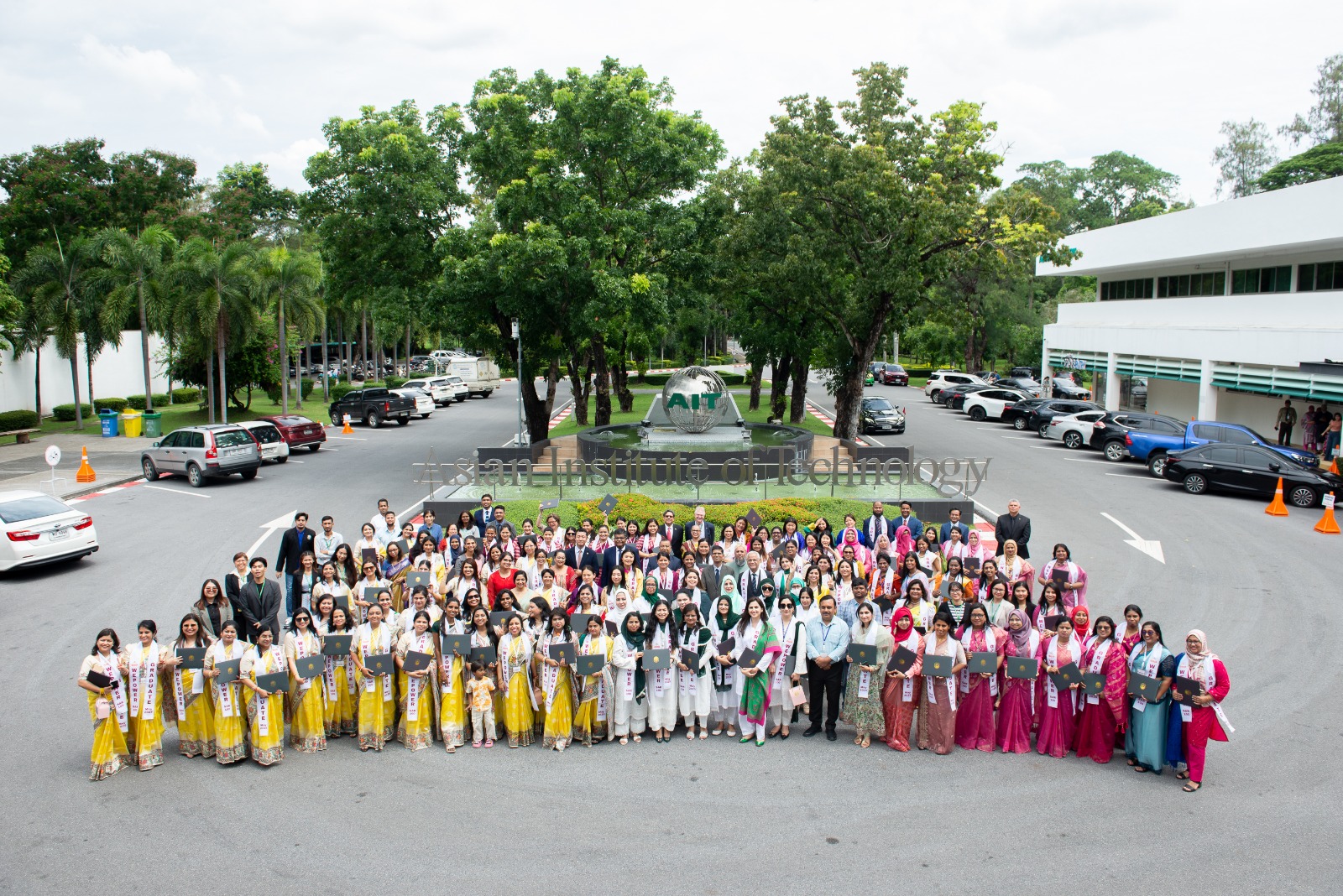
WePOWER is the South Asia Women in Power Sector Professional Network, established in 2019 as a voluntary platform of utilities, universities, and professional associations. With 61 partners and growing, it works to increase women’s participation in energy-sector careers, especially in technical and leadership roles, through collaboration, research, and targeted initiatives supported by the World Bank’s South Asia Energy program.
The network operates through a data-driven approach, drawing on partner insights and regional assessments to address barriers to entry, retention, and advancement. Guided by a five-pillar framework spanning education, recruitment, professional development, retention, and policy reform, WePOWER supports coordinated action across countries, strengthening both regional collaboration and national-level impact.
OUR FRAMEWORK
The Five Pillars of WePOWER
WePOWER’s work is organized around five connected pillars that move from entry and access to retention, leadership, and institutional change.
STEM Outreach & Norms
Inspiring girls’ interest in STEM and engineering pathways, and exposure to power-sector learning opportunities.
Recruitment and Internships
Creating bridge between women, employers, internships, networking events, and job opportunities.
Professional Development
Supporting training, mentoring, technical learning, confidence building, and leadership progression.
Retention & Facilities
Improving workplace conditions through family-friendly systems, facilities, reintegration support, and safer environments.
Policy & Networking
Embedding gender-responsive policies, targets, governance, and sector-wide collaboration for lasting impact.
Why It Exists
Supporting Women Across the Full Energy Career Path
WePOWER exists because improving women’s participation in the power sector requires more than one solution. It takes action across education, access to jobs, career development, and workplace systems.
Build the Stem Pipeline
Encourage girls and young women to see STEM and energy as realistic, valuable, and achievable career paths.
Open Job Access
Expand pathways into the sector through internships, recruitment opportunities, exposure, and employer engagement.
Support Career Growth
Strengthen mentorship, professional development, technical growth, and leadership opportunities for women in the sector.
Shift Institutional Policies
Promote policies, workplace support, and long-term institutional change so women can enter, stay, advance, and lead.
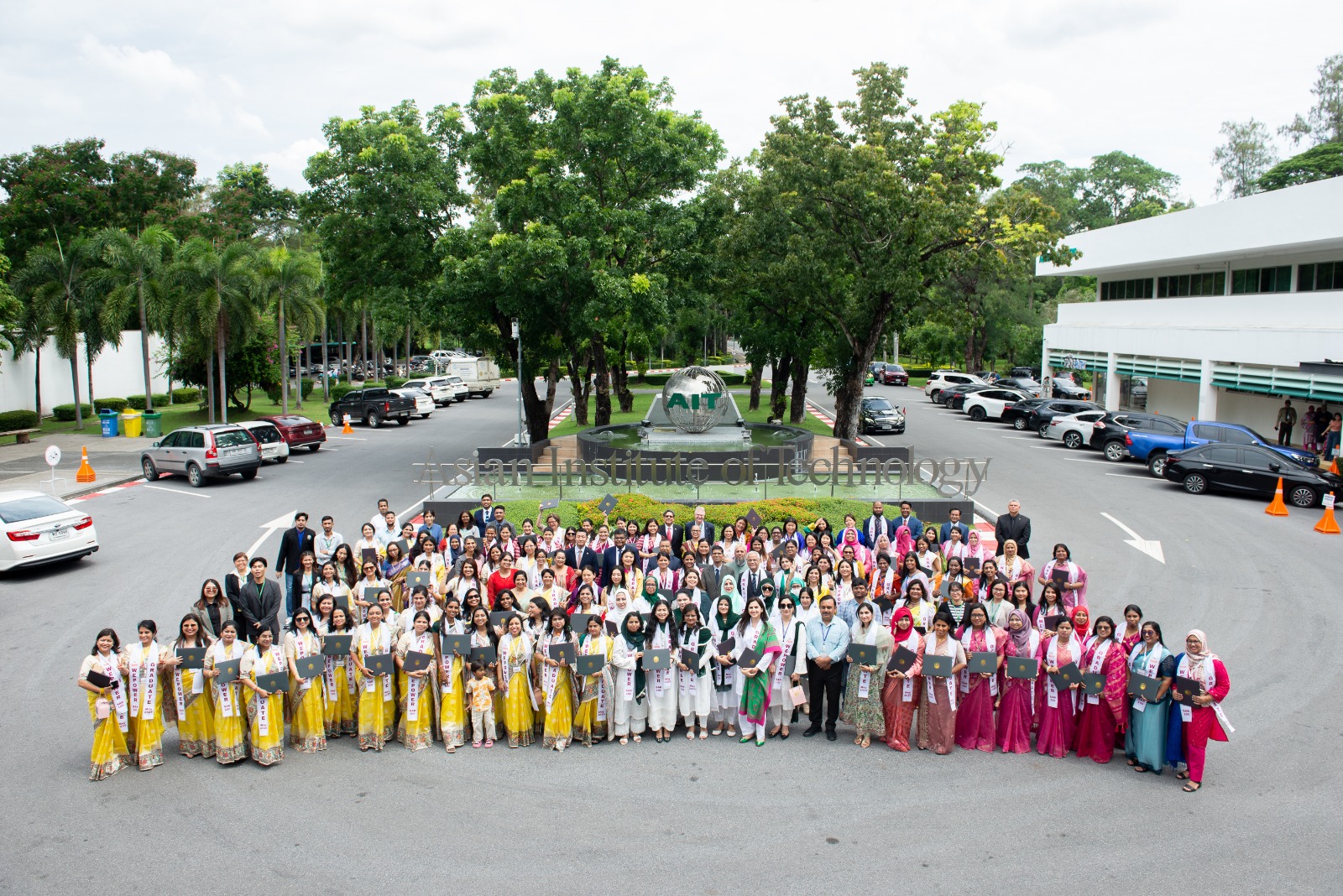
ONE CONTINUOUS PATH — FROM INSPIRATION TO LEADERSHIP
How It Works
A Network Built on Partners, Evidence, and Action
WePOWER’s model is collaborative. It combines research, local engagement, peer learning, and structured partner activities to turn ideas into measurable action.
Partners identify and implement actions
Utilities, institutions, and organizations carry out practical gender-focused activities aligned with the framework.
Learning is shared across the region
Working groups, reports, and peer exchange help good practices spread beyond one institution or country.
Data informs strategy and improvement
Assessment, metrics, and partner experience guide future priorities and strengthen long-term impact.
National and regional systems reinforce each other
Country-level chapters and regional coordination work together so momentum is sustained over time.
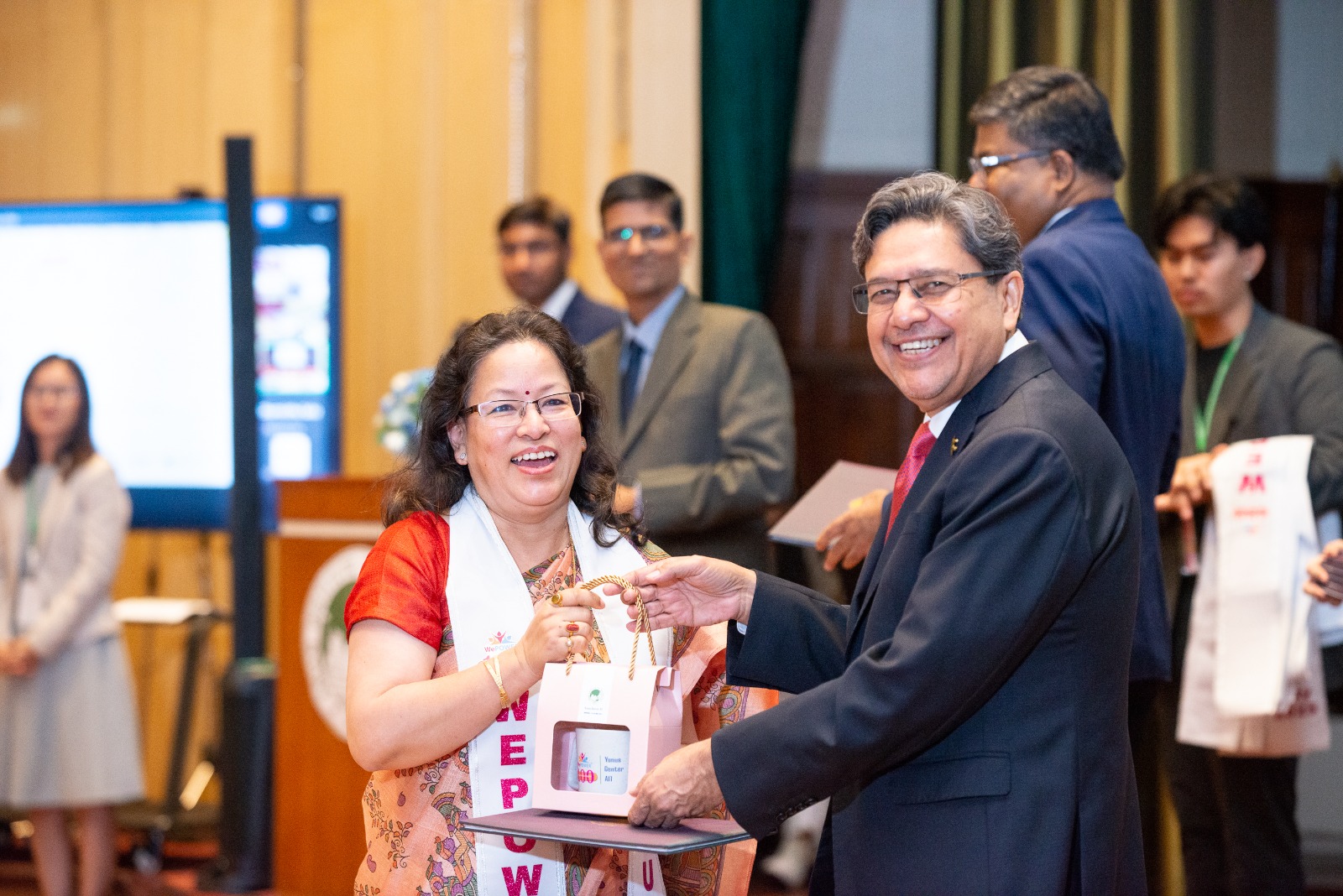
What makes the approach different
Regional, but locally grounded
It connects countries and institutions while staying focused on practical actions inside workplaces and systems.
Evidence-based
Research, interviews, surveys, metrics, and partner reporting shape how the network evolves.
Built for continuity
The emphasis is not just on awareness, but on systems, structures, chapters, and governance that can last.
Designed for scale
Lessons, tools, and programs can be adapted and expanded across partners and countries over time.
 Sign in with Google