IMPACT SINCE 2019
Main Streaming Women Professionals Through Partnership
A collaborative initiative advancing women’s participation, inclusive workforce development, and sustainable growth across South Asia.
Key Findings from the Gender Assessment 2024-2025
Women in the total workforce
Across surveyed power utilities in South Asia
Women in technical roles
The biggest gap remains in technical participation
Of promotions went to women
Advancement remains narrower than entry
Representation varies sharply by country
Showing uneven regional progress
Jobs Created
2,000+
Women were hired between 2022 and 2024 across surveyed organizations.
Technical Training
86,000+
Staff received technical training, but women remain underrepresented in field-based training.
Leadership Gap
12%
Only 12 percent of leadership program participants were women.
Participation Reached
208,000+
Participants reached through 11,443 gender activities across the network.
WHY THIS MATTERS
Progress Is Real But Uneven
More women are qualifying for the technical roles in the power sector, but barriers in opportunity, safety, and advancement remain uneven across roles and countries.
PARTICIPATION
Representation is rising
Gains are constrained because participation remains limited.
Bias, caregiving burdens, and safety risks still limit career progression.
BARRIERS
Structural challenges persist
RESPONSE
Institutions are adapting
Policies, mentorship, and support systems are expanding—though unevenly.
VOICES OF CHANGE
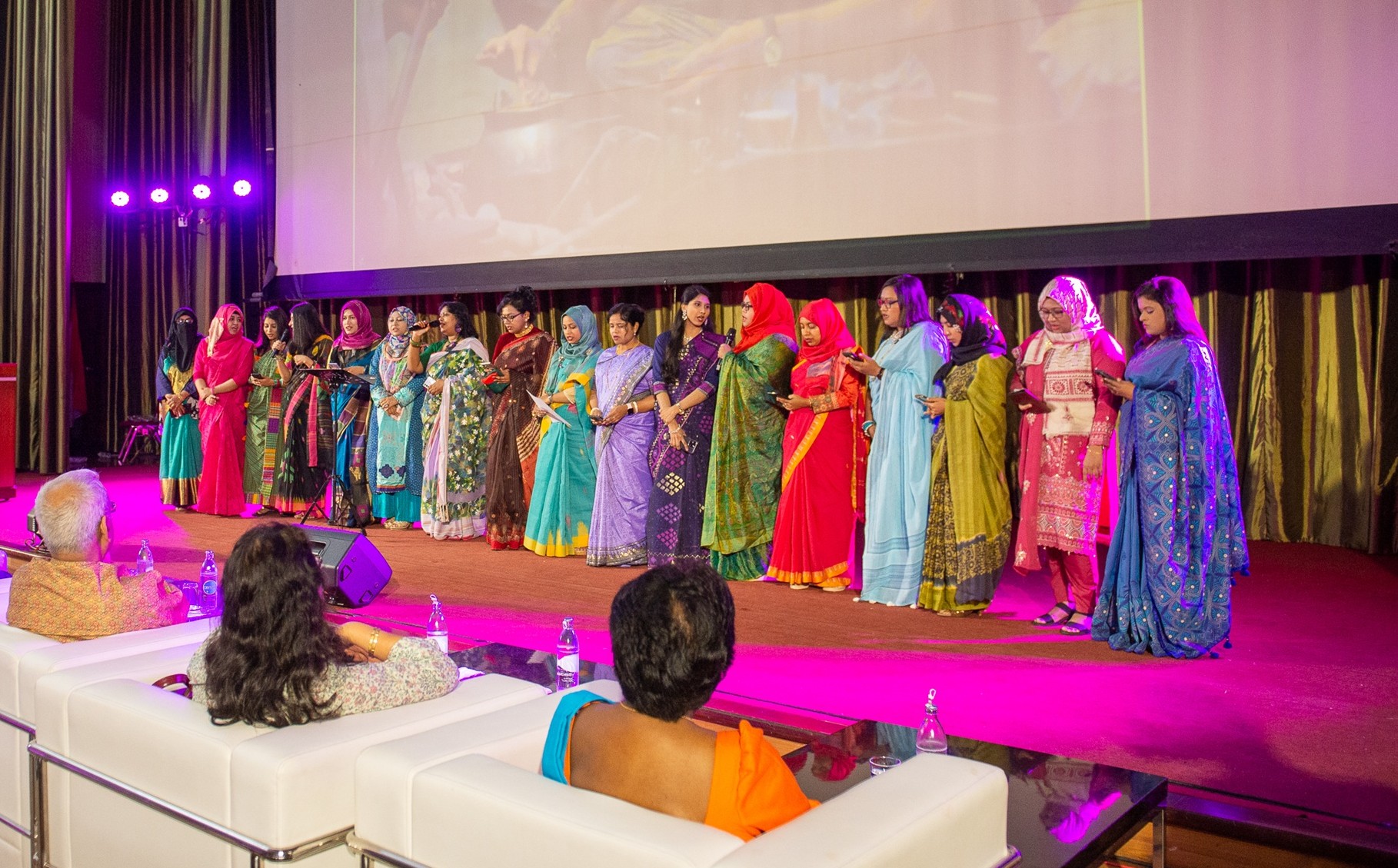
Women Beyond Boundaries
Across South Asia’s energy sector, women are challenging norms, proving capability, and exposing the barriers that still shape their careers.
“ They used to think women couldn’t run the plant. Now we do all three shifts—even the night ones. ”
WOMEN ENGINEER
India
“ You may have delivered results for five years, but your maternity leave is what they remember. ”
WOMEN ENGINEER
Pakistan
Main Barriers
What Still Holds Women Back
The World Bank report identifies a recurring set of barriers that limit women’s entry, retention, mobility, and advancement in the power sector.
What’s Changing
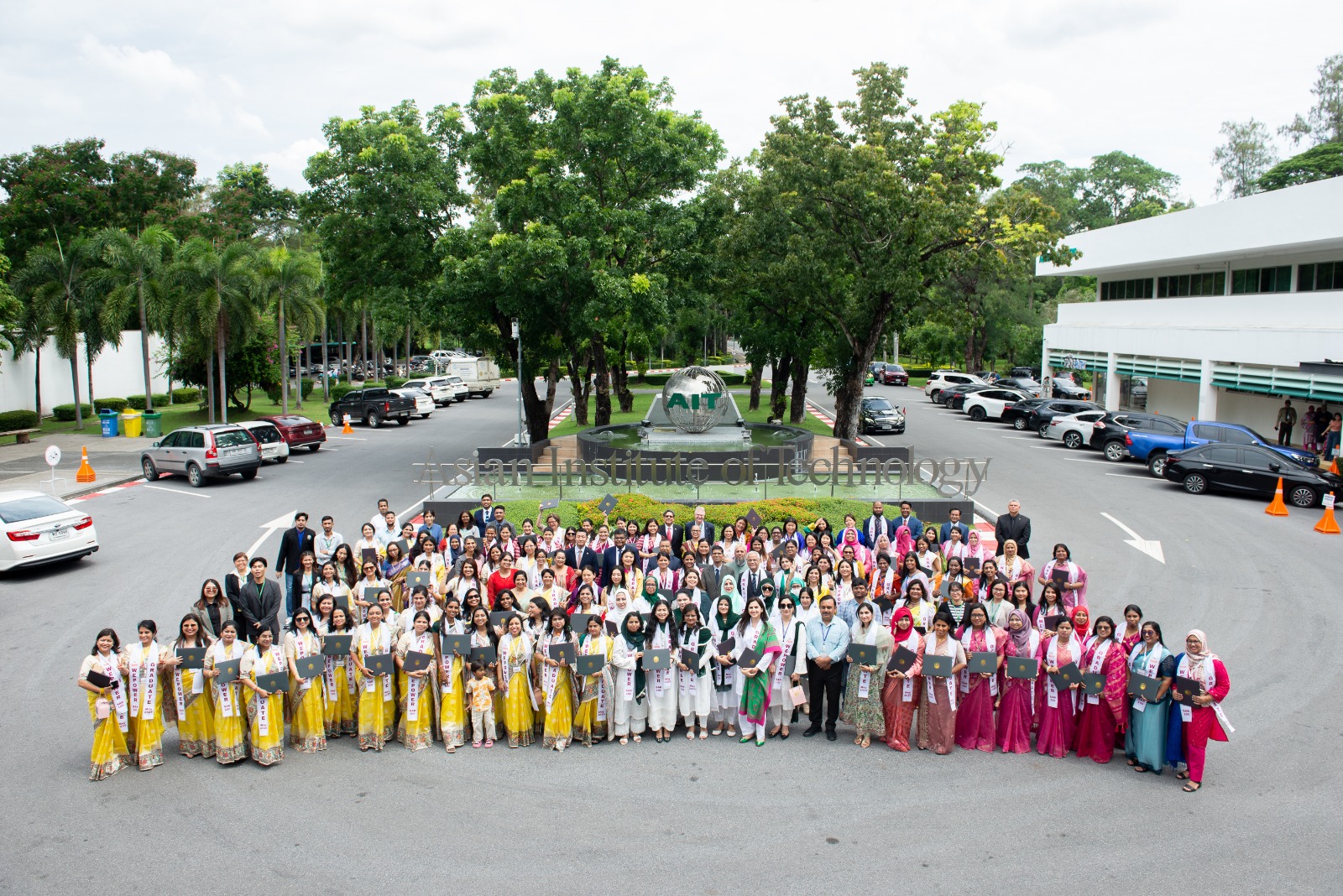
Institutional Responses and Emerging Good Practices
Utilities across the region are beginning to respond with targeted hiring, family-friendly policies, mentorship, training, and stronger workplace systems.
Policies
Gender Non-Discrimination
Anti-Harassment / GBV
Gender Equity Strategy
Retention Support
Growth & Safety
68%
Leadership Training
29%
Mentorship Programs
GENDER ASSESSMENT REPORT
Explore the Full Gender Assessment 2026
Read the full assessment to understand the progress, gaps, institutional responses, and opportunities for advancing women in the power sector across South Asia.
 Sign in with Google